Rajmachi Fireflies Experience in Lonavala: Best Time to Visit & Stay Guide (2026)
There are very few moments in nature that genuinely stop you mid-breath. Watching the dark forest floor around Rajmachi suddenly erupt in thousands of blinking, glowing lights is one of them. No screen can prepare you for it. No photograph quite captures it. You need to be standing there — in the quiet Sahyadri night, torchlight off, eyes adjusting — to truly understand what the fuss is about.
If you’ve been searching for a reason to finally make the trip to Lonavala this season, this is it. Here is everything you need to plan your visit properly — when to go, how to get there, what to carry, and where to rest your feet when you get back.
What Exactly Happens During Firefly Season at Rajmachi?
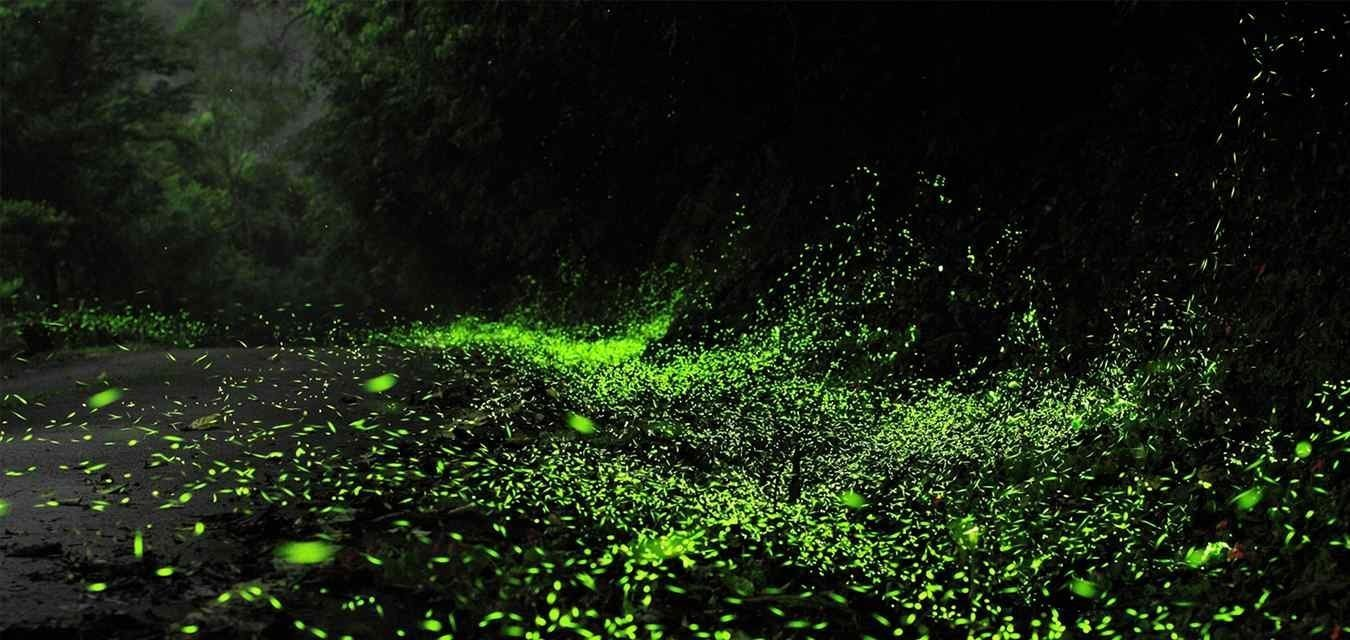
Every year, in the weeks just before the monsoon arrives, the Western Ghats perform a quiet miracle. Thousands of fireflies in Lonavala — called Kajawa in Marathi — emerge from the forest undergrowth and begin their mating ritual. Specialized cells in their abdomens produce cold light through a biological process known as bioluminescence, and when hundreds of them gather in a single patch of jungle, the effect is nothing short of extraordinary.
The Rajmachi fireflies experience is not a manufactured event or a festival with ticketed entry. It is entirely natural — no neon lights, no DJ sets, no artificial setup of any kind. The forest simply comes alive on its own, and visitors who time their trip well get to witness it. That naturalness is exactly what makes it so special. It asks nothing of you except your presence and your silence.
Rajmachi Fort, perched at around 2,750 feet in the Sahyadri ranges, is home to two historic structures — Shrivardhan Fort and Manaranjan Fort — both built during the era of Chhatrapati Shivaji Maharaj in the 17th century. These forts overlook the Borghat pass, which was once a key ancient trade route through the mountains. By day, the views are sweeping and spectacular. By night, during firefly season, the forests below the forts transform into something else entirely.
The base village of Rajmachi is Udhewadi — a small, unhurried settlement that gives visitors a genuine glimpse into rural Maharashtrian life. Home-cooked meals of bhakri, dal, and seasonal vegetables are available here, and the hospitality of the local families who host trekkers adds a warmth to the experience that no resort stay can replicate.
The Best Time to Witness Fireflies in Lonavala and Around Rajmachi
Timing your trip correctly is the single most important thing you can do. Go too early and the fireflies in Lonavala are barely visible; arrive too late and the monsoon has made the trails challenging to navigate.
The peak window for fireflies in Lonavala and the surrounding Rajmachi area runs from mid-May through the third week of June. The 2026 season, based on consistent historical patterns, is expected to run from around May 16 to June 21. The final two weeks of May and the opening week of June tend to be the sweet spot — firefly activity is at its peak, the pre-monsoon humidity is just right, and the trails are not yet slippery.
A few additional timing notes worth factoring into your plans. The fireflies in Lonavala region are most visible on dark, humid, overcast pre-monsoon nights — conditions that are far more common on weekdays than on high-footfall weekends.
Go on a no-moon or new-moon night. The darker the sky, the more vivid the firefly display. On full-moon nights, the ambient light dilutes the effect considerably. Check the lunar calendar before booking.
Weekdays beat weekends significantly. Rajmachi is one of the more popular firefly locations near Mumbai and Pune, and weekend crowds can be large. Arriving on a Tuesday or Wednesday means quieter trails, less light pollution from other groups, and a noticeably better sighting.
Arrive before sundown. Plan to be at Udhewadi well before 8:30 PM. Fireflies in Lonavala begin appearing shortly after sunset, and the first hour of darkness tends to be when the display is most concentrated and spectacular.
Avoid bonfires and music. Some less responsible operators run packages that include bonfires and amplified music. These directly harm the firefly population and disrupt the sighting for everyone around. Choose organisers who run silent, responsible treks.
Understanding the Rajmachi Trek Monsoon Route
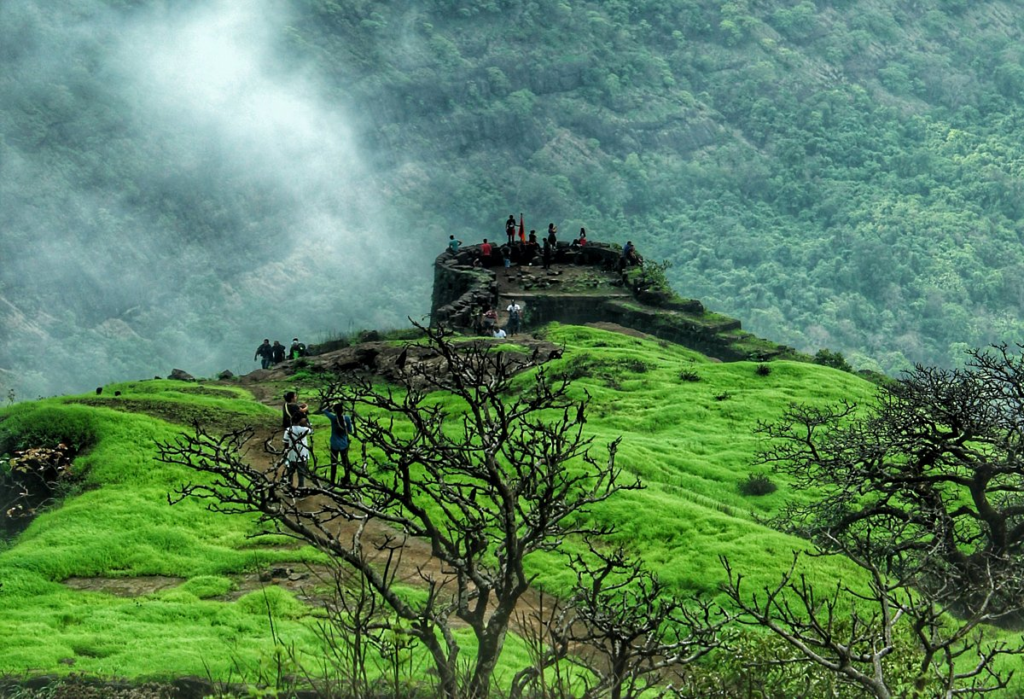
Getting to the firefly zone is half the adventure. The Rajmachi trek monsoon route is considered easy to moderate in difficulty, making it genuinely accessible for first-time trekkers, families with older children, and anyone with reasonable fitness levels.
There are two primary approach routes:
From Lonavala (via Tungarli Dam): This is the longer of the two routes, covering roughly 12 kilometres one way to Udhewadi village. The trail passes through dense forest, open grassland patches, and some muddy stretches during and around the monsoon season. The total elevation gain is manageable — Rajmachi sits at approximately 2,750 feet — but the off-road section by vehicle from Lonavala requires a high-clearance 4×4 or a jeep. Many organised groups cover the rough road section by shared vehicle and begin trekking from a more manageable start point.
From Karjat (via Kondivade village): The Karjat side is shorter and passes through richer forest cover. This route includes the historic Kondana Buddhist Caves, carved directly into the rockface and well worth the detour. Wildlife sightings — including leopards, though rare — have been reported along this stretch.
For firefly treks specifically, the Lonavala approach is more commonly used since it allows groups to arrive by afternoon train, cover the vehicle transfer to the base, and start the night walk in time for the display. The Rajmachi trek monsoon trail is most atmospheric when the pre-monsoon showers have begun in earnest — the vegetation is lush, the air smells of wet earth, and small seasonal streams appear along the route.
A word of caution: the 10-kilometre off-road road section from the highway to Udhewadi is rough in any season and genuinely tricky in rain. If you’re driving privately, bring a vehicle with good ground clearance and check conditions in advance. A saloon car is not suitable for this section in June.
Rajmachi Fireflies Experience: What to Carry and How to Behave
The Rajmachi fireflies experience rewards visitors who come prepared and who approach the forest with respect. Here is a practical packing list and a few behavioural notes that most first-timers wish they had known in advance.
What to pack:
- Sturdy closed-toe trekking shoes with good grip — trails can be wet and muddy
- A small torch or headlamp (essential for the walk, but keep it pointed at the ground)
- Full-sleeved clothing in dark, muted colours — light colours attract insects and white light disrupts sightings
- A rain poncho or lightweight waterproof jacket — pre-monsoon showers arrive without warning
- A power bank, since there is no mobile charging available at Udhewadi
- Sufficient water for the trek; while refilling points exist at the village, the walk can be dehydrating
- Light snacks for the trail
- A mosquito repellent — both roll-on and a patch for your clothing
Network and digital considerations: Mobile coverage at Rajmachi is notoriously unreliable. Jio is marginally better than Vodafone or Airtel, but do not count on a signal for navigation or communication once you’re past the highway. Download offline maps before you leave. Share your GPS location with someone at home and carry the group leader’s contact saved offline.
How to behave in the firefly zone:
- Switch off torches completely once you are in the observation area. Allow 15–20 minutes for your eyes to adjust to the dark before you expect to see anything.
- No camera flash, no phone flashlight, no lighters. Artificial light confuses the fireflies and suppresses their display almost immediately.
- Keep noise to a minimum — this is not merely for etiquette but because sound pollution demonstrably reduces sighting quality.
- Do not attempt to catch fireflies. The oils from human skin can be harmful to them, and the practice is simply unnecessary.
Where to Stay: Places to Stay in Lonavala for the Firefly Season
Accommodation for a firefly trip falls into two broad categories — staying at the source in or near Udhewadi village, or using Lonavala town as your base and approaching Rajmachi for the night trek before returning to comfort.
Camping at Udhewadi Village
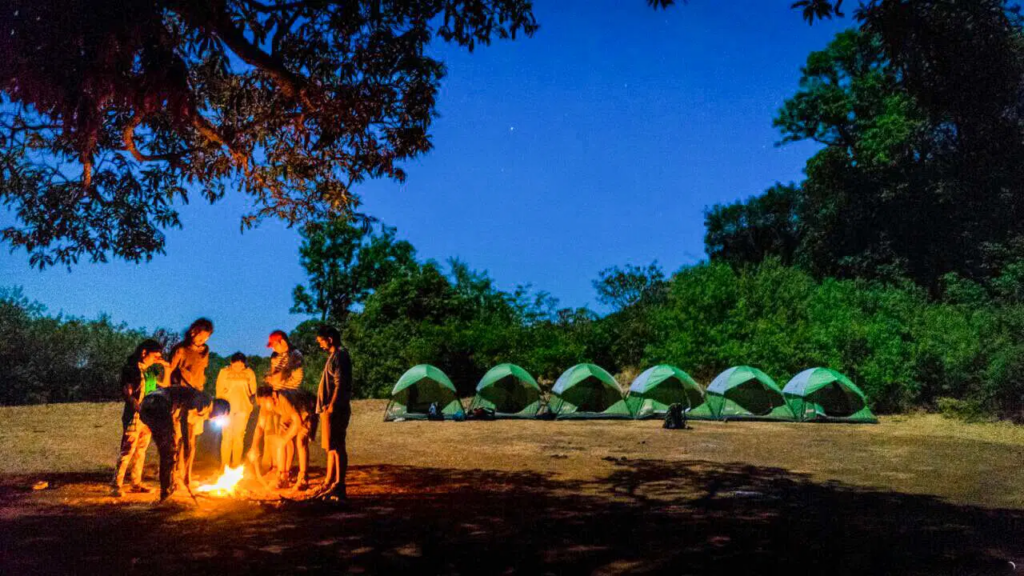
For those who want the full immersive experience, staying overnight in or around Udhewadi is the way to go. Several organised trek operators provide tent camping on a sharing basis (typically two to four per tent), home-cooked village meals, and basic but functional washroom facilities. This is rustic by design — foam mats, shared toilets, solar lamps, and the sound of the forest at night. If that appeals to you, it is genuinely wonderful.
In heavy rain, most responsible operators move groups into village homestays with separate male and female accommodations. These are simple, clean, and managed by local families who have been hosting trekkers for years.
Places to Stay in Lonavala
For travellers who want to enjoy the trek but return to more comfortable lodgings, Lonavala has a wide variety of places to stay in Lonavala suited to every budget.
Budget and mid-range options: Properties like Meritas Picaddle Resort, 7 Apple Resort, and Hotel Rain Sky Inn offer clean rooms, decent amenities, and convenient access to the highway that leads toward Rajmachi. These are reliable choices for groups who want value without compromise.
Nature-facing stays: A guesthouse situated within the Rajmachi Reserve Forest, approximately 12 kilometres from Lonavala town near Valvan Lake and Tungarli Dam, offers an intentionally minimal experience — single rooms, a communal pool, and limited internet access designed for a genuine digital detox. It’s one of the more atmospheric places to stay in Lonavala for anyone drawn to the forest for more than just the trek.
Upscale options: Radisson Resort & Spa Lonavala, Rhythm Lonavala, and The Dukes Retreat in Khandala are strong choices for couples and families who want the Sahyadri landscape with all the comfort. These properties sit above the monsoon chaos and deliver genuinely excellent food, pool access, and views.
Homestays near Pawna Lake: For those willing to be based slightly further from Lonavala town, Pawna Lake has become a popular area for boutique campsite stays and villa rentals that offer stunning dam views, outdoor space, and a quieter pace than central Lonavala.
Book ahead. The late-May and early-June window fills quickly, and the better properties near Rajmachi are typically sold out by early May.
How to Reach Rajmachi from Mumbai and Pune
Planning a monsoon getaway in Lonavala for the firefly season is straightforward from both major cities.
By train from Mumbai: The Konark Express (departing CSMT at 1:45 PM) reaches Lonavala by approximately 4:30 PM — a comfortable arrival time for an evening firefly trek. Many organised groups coordinate sleeper-class tickets from CSMT, Dadar, Thane, and Kalyan.
By road from Mumbai: The Mumbai–Pune Expressway puts Lonavala about 80 kilometres from Khopoli, which serves as the turning point for the off-road approach to Rajmachi. Expect around two to two-and-a-half hours from central Mumbai.
From Pune: Lonavala is approximately 65 kilometres from Pune city centre via the Expressway — roughly an hour’s drive under normal conditions.
From Lonavala to Udhewadi: The last 10-kilometre stretch is an off-road trail best covered by shared jeep or 4×4 vehicle. Most trek operators include this transfer in their package. If driving independently, avoid a vehicle with low ground clearance.
Why Lonavala Makes the Perfect Monsoon Getaway
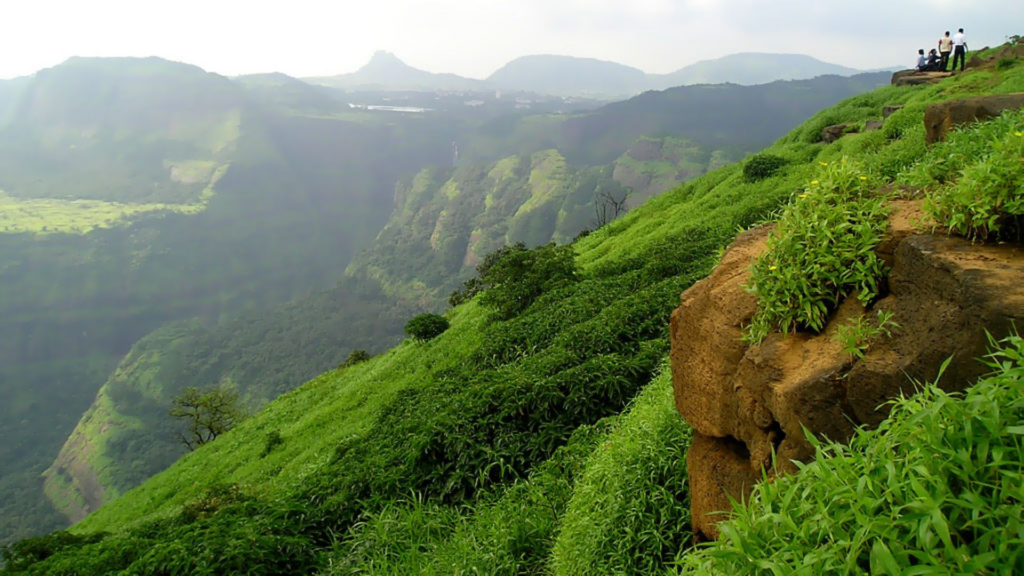
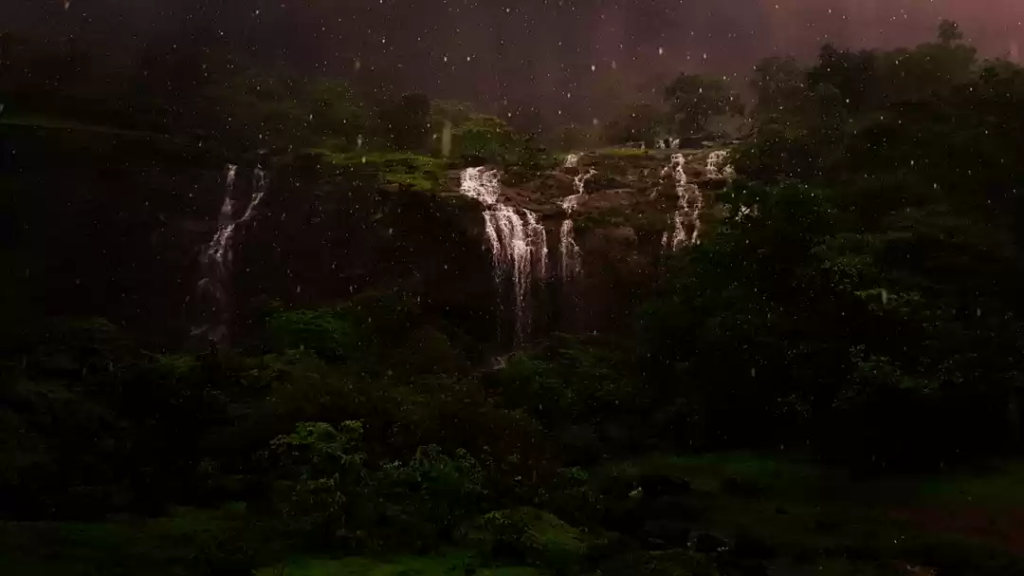
Beyond the fireflies, Lonavala itself justifies the journey. Choosing a monsoon getaway in Lonavala over a standard hill-station visit means arriving into a landscape that is genuinely alive — the valleys run with water, the hillsides glow with new vegetation, and the air carries the clean, earthy smell of a season turning.
The town receives heavy rainfall from late June through September, during which the surrounding valleys turn a vivid, almost impossible green. Bhushi Dam — the most famous spot in the area — becomes a rushing cascade, and locals and tourists alike wade into the overflow for the sheer joy of it. Tiger’s Leap and Lion’s Point offer dramatic valley views that change character entirely in the monsoon mist. Karla and Bhaja Caves, ancient Buddhist rock-cut monuments nearby, take on an eerie, atmospheric quality on a grey monsoon morning.
Lonavala’s food scene adds its own character to any visit. The iconic chikki — a crunchy brittle made from peanuts, sesame, or cashew and jaggery — is sold on every street corner and makes for a legitimately good souvenir. Vada pav, misal pav, and bhajiya are best consumed hot from a roadside stall as the rain picks up, and several local restaurants serve excellent Maharashtrian thalis that hold their own against anything you’ll find in a city.
A monsoon getaway in Lonavala centred around Rajmachi gives you something most weekend trips don’t: a genuine natural spectacle, a taste of trekking in the Sahyadris, a brush with Maratha history, and the kind of quiet that becomes increasingly rare to find within a few hours of Mumbai or Pune.
A Few Things to Keep in Mind Before You Go
Book through a reputable organiser. Every firefly season brings reports of poorly managed events — bonfires lit in ecologically sensitive zones, overcrowded campsites, and unsafe trail management after dark. Ask specifically whether the organiser follows a no-fire, no-music policy in the forest zone before committing.
Weather is variable. Firefly sightings depend heavily on conditions. A night of heavy continuous rain can reduce visibility significantly. Most reliable operators are transparent about this — do not book with anyone who guarantees sightings unconditionally, and read the cancellation policy carefully.
Dress for the terrain. The Rajmachi trek monsoon trail demands the right footwear above all. Wet rocks, mud patches, and stream crossings are part of the walk — shoes you trust are non-negotiable.
Check accommodation early. The places to stay in Lonavala that sit closest to the Rajmachi trail — particularly the forest guesthouses near Tungarli Dam — fill up weeks in advance during peak firefly season. Waiting until the week before your trip will leave you with limited options.
Travel in a group. Solo night trekking at Rajmachi is neither safe nor advisable. If you’re not joining an organised group, coordinate with friends or connect with a verified community that organises shared treks.
Why this season is different from all others. People who treat a monsoon getaway in Lonavala purely as a beach or resort trip miss what the hills do best. The fireflies in Lonavala season coincides precisely with the moment the Sahyadris are at their most dramatic — misty ridgelines, thunderclouds building over the ghats, jungle undergrowth three shades greener than it was a week before. The Rajmachi trek monsoon experience has a rawness and immediacy that no dry-season walk can quite match. Add the fireflies to that context, and you have a trip that most people end up repeating the following year.
Final Thoughts
The Rajmachi fireflies experience is the sort of thing people put on a list and then somehow never get around to. This year, for anyone within reach of Lonavala, that would be a genuine missed opportunity. The window is short — roughly five to six weeks — and it only comes once a year.
The fireflies in Lonavala aren’t performing for visitors. They’re simply doing what they have always done, in the forests they have always called home. That indifference to the audience is, oddly, what makes witnessing them feel so lucky. You are not the point of the show. You are just fortunate enough to be standing in the right forest, at the right hour, in the right season.
Plan carefully, pack practically, book your accommodation early, and get yourself to Rajmachi before the monsoon settles in. As a monsoon getaway in Lonavala, this trek delivers something very few weekend trips manage: a memory that sticks. Very few nights will stay with you quite the way this one does.
Facilities
- Thrilling Adventurous Activities
- The Patio
- Tipsy Horse
- Boating
- Kids Play Area
- Trekking
- Fishing
- Indoor Games
- Swimming Pool with Kids Pool
- Man-made Lagoon
Events
Special Packages
- Diwali package 2026
- All-Inclusive Family Package
- Romantic Lonavala Getaway for Couples
- Lonavala Resort Offers: Stay 3 Nights, Pay for 2 at The Lagoona Resort
- Sunday Adventure Picnic: A Day Full of Thrill & Chill
Rooms
Blogs
- Untold Story Of Lonavala Nature Resort: Attractive Hidden Trails & Mesmerizing Secret Waterfalls Of Lonavala
- Special vacation packages at The Lagoona Resort: Tailored Experiences for Every Occasion
- From Adventure to Relaxation: Unforgettable Activities at The Lagoona Resort
- Thai Food Festival at Cinnamon Restaurant
- Romantic Winters in Lonavala
- Adventures in Lonavala: 15 Best Activities You Must Try (2026 Guide)
- The Perfect Weekend Getaway near Mumbai & Pune
- Experience the Magic of Love this Valentine’s Day with The Lagoona Resort’s Romantic Winter Package