10 Secrets Locals Won’t Tell You About Lonavala (Ultimate Travel Guide)
Lonavala is a name synonymous with refreshing getaways, misty mountains, and popular tourist attractions. Yet, beyond the well-trodden paths and bustling viewpoints, lies a collection of hidden gems in Lonavala, from ancient forts and secluded trails to lesser-known waterfalls and scenic viewpoints that most tourists never discover.
If you’re looking for hidden places in Lonavala and unique experiences beyond the usual tourist circuit, these local secrets deserve a spot on your itinerary. Here are ten amazing fun facts and things to know about the enchanting city of Lonavala:
Visapur Fort
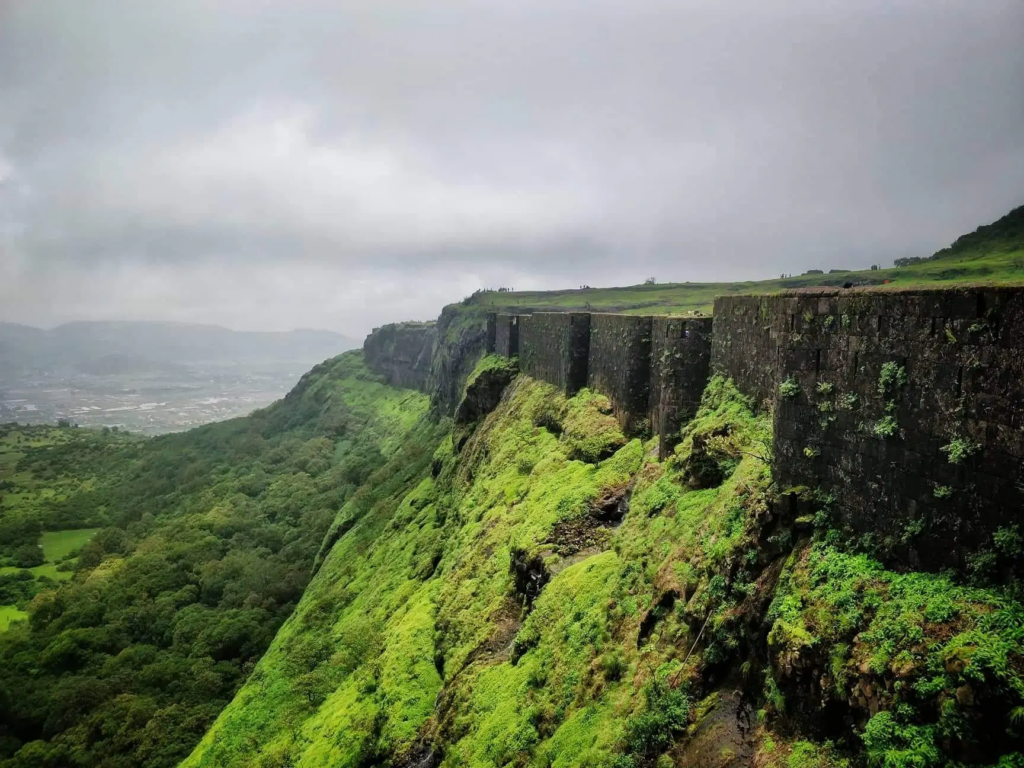
Visapur Fort (also called Visapoor Fort) is a hill fort near Visapur village in Maharashtra, India. It is a part of the Lohagad-Visapur fortification. Often overshadowed by its more famous twin, Lohagad Fort, Visapur Fort offers a more rugged and less crowded trekking experience.
This sprawling hill fort provides stunning panoramic views of the surrounding plains and valleys. The trek to Visapur is more adventurous, especially during monsoon when water cascades down its steps, creating a natural waterfall effect. Exploring its vast ruins, ancient caves, and fortifications feels like stepping back in time without the throngs of tourists.
Hidden Gems In Lonavala Behind Kurvande
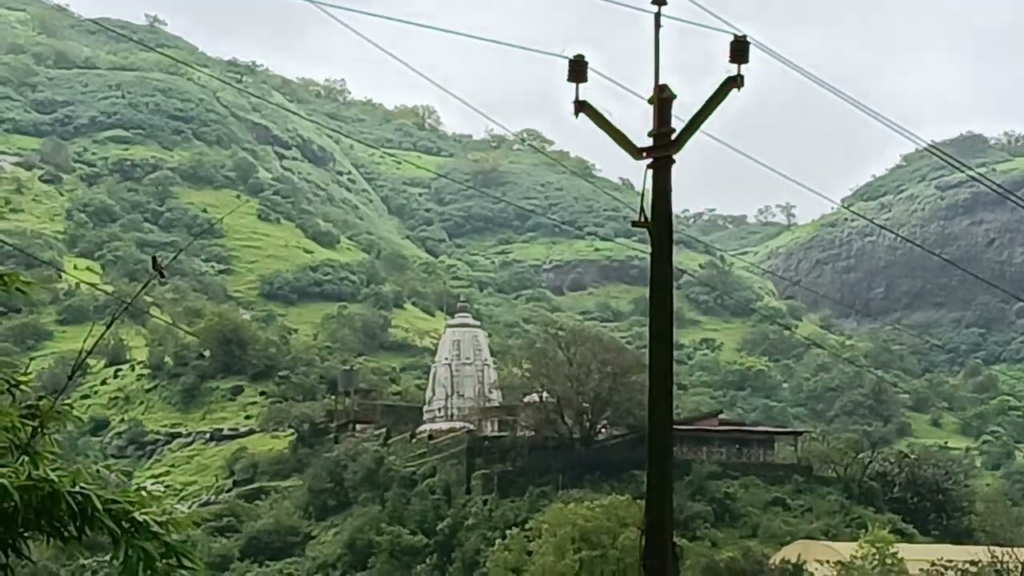
The Forgotten Stream Behind Kurvande is a secluded, lesser-known nature trail and water body hidden away behind Kurvande village near Lonavala, Maharashtra. While popular spots like Bhushi Dam and Tiger Point face heavy tourist traffic, this trail remains one of the most offbeat places in Lonavala, favored by locals and avid trekkers seeking a quieter side of the hill station. If you plan on taking a trip to Kurvande soon, I’d recommend to stay at our Lonavala’s best stay, The Lagoona Resort.
Bedsa Cave
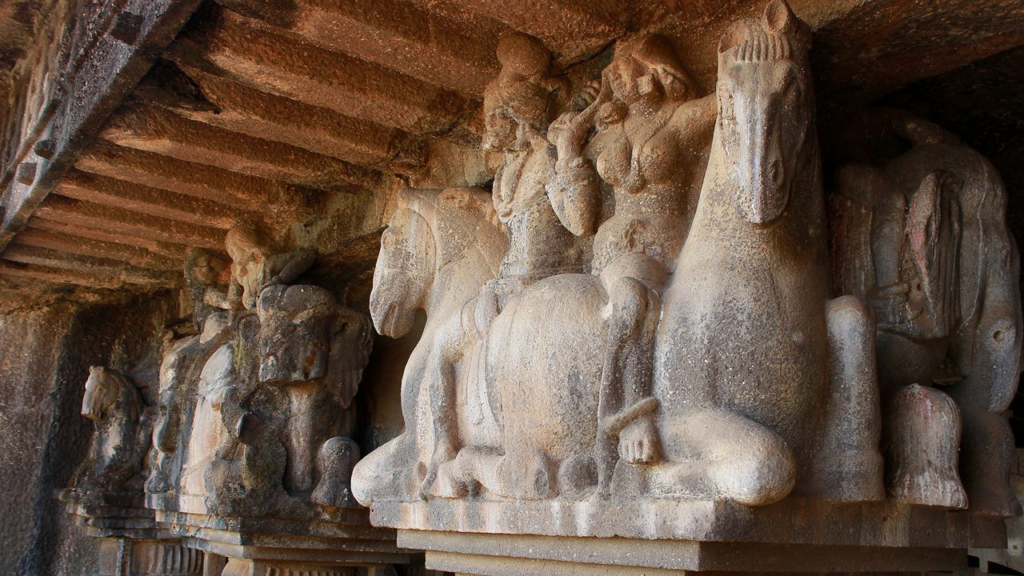
Bedse Caves (also known as Bedsa Caves) are a group of Buddhist rock-cut monuments situated in Maval taluka, Pune District, Maharashtra, India. The history of the caves can be traced back to the Satavahana period.
While Karla and Bhaja Caves are popular, the ancient Buddhist rock-cut Bedsa Caves are relatively less visited, offering a quieter and more intimate historical experience. Dating back to the 1st century BC, these caves are known for their impressive Chaityagriha (prayer hall) with intricate carvings, a grand stupa, and beautifully sculpted pillars. The short trek to reach them is rewarding, providing glimpses of rural life and lush landscapes.
Bhairavnath Temple
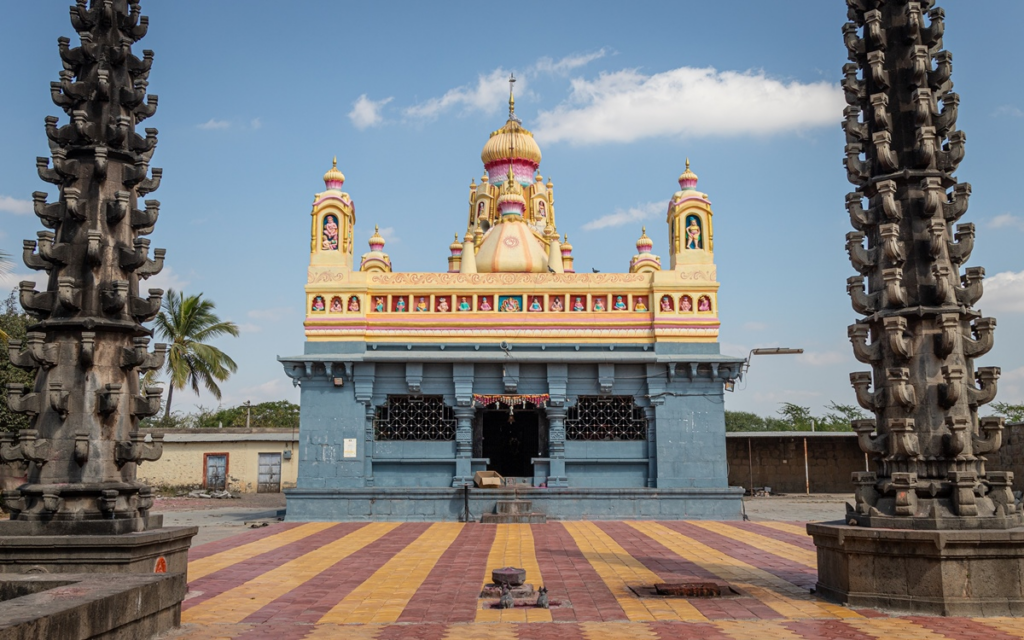
Showcasing spectacular Konkan architectural designs between the dense forest of Lonavala, Bhairavnath Temple is a popular destination among devotees of Lord Shiva and a recommended visit for peace-seeking tourists.
The temple exudes a serene ambience complemented by gentle breezes within the captivating forested surroundings. Visiting the Bhairavnath Temple can be a soul-stirring experience for devotees on a trip to the beautiful hill station of Lonavala
Bhairavnath Temple is an ancient temple dedicated to Lord Bhairavnath. This gold-coloured ancient temple in Rajmachi near Lonavala is dedicated to an incarnation of Lord Shiva – Kaal Bhairav. The main shrine is surrounded by numerous small shrines dedicated to various Hindu gods and goddesses.
A slippery path leads to the main shrine of this holy place, surrounded by other Hindu deities. Maha Shivaratri is the most celebrated festival, drawing hundreds of devotees with offerings. During the Shivratri festival, the atmosphere in the temple is full of grandeur and joy.
During this festival, visiting the Bhairavnath Temple is an unforgettable experience. Besides its religious significance, this location is renowned for trekking activities. You can enhance your trip to Bhairavnath Temple by exploring nearby attractions like Shrivardhan Fort, Zenith Falls, Tungarli Lake, and the Kondana, Bahiri, and Gambhirnath Caves.
According to local folklore, the temple was built by a devout sage who was blessed with a divine vision of Lord Bhairavnath. Over time, the Bhairavnath Temple has seen many renovations and expansions, enhancing its beauty and importance to pilgrims.
Kune Waterfalls
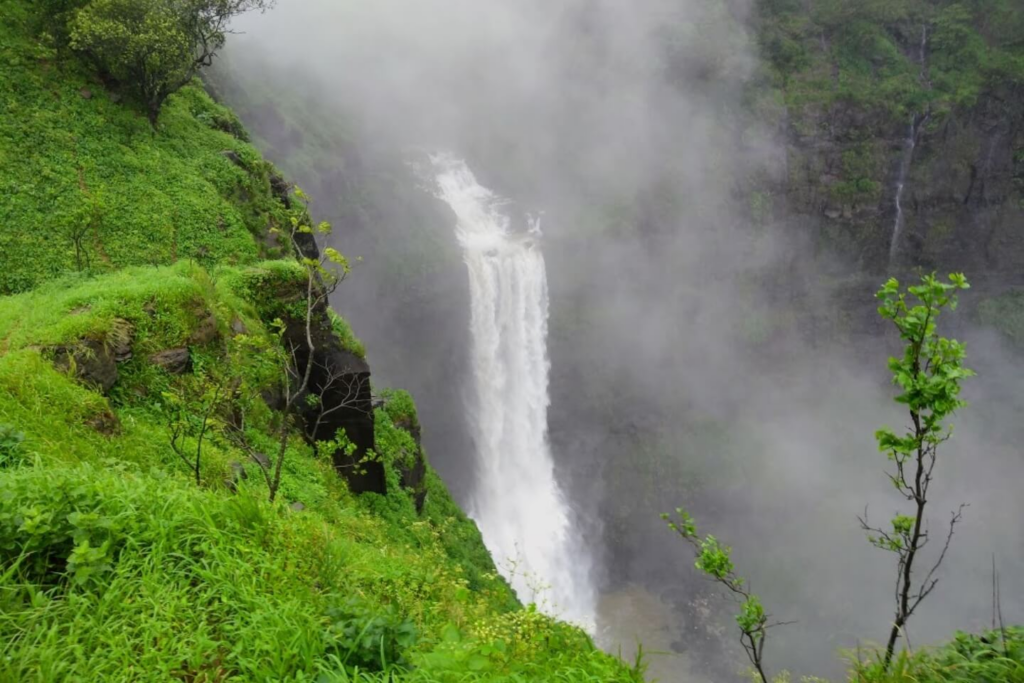
The Kune Falls is a waterfall at Khandala in Pune district in the Indian state of Maharashtra. It is the 14th highest waterfall in India.
Kune Waterfalls is one of the most impressive waterfalls in Lonavala, tumbling down from a height of over 200 meters and creating a mesmerizing spectacle, creating a mesmerizing spectacle. The best time to visit is during or just after the monsoon, when the falls are at their most magnificent. Accessing the waterfall requires a bit of a trek, but the journey is well worth it for the views and the chance to take a dip in the cool waters. Just remember to wear sturdy shoes and carry your camera—this is a sight you’ll want to capture!
Kataldhar Lonavala
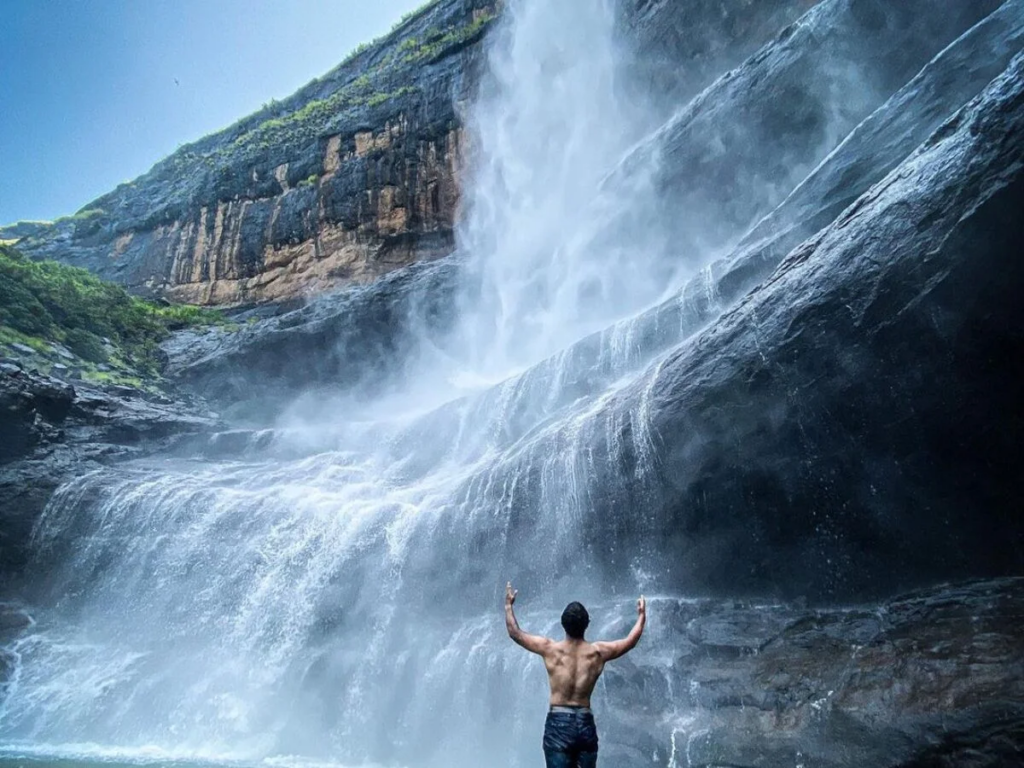
Kataldhar is a waterfall near Lonavala in Pune district in the Indian state of Maharashtra. This waterfall is not so famous because reaching the valley is somewhat difficult and requires basic trekking experience. Water is not available there for the whole year, but a good amount of water falls during the monsoon season.
Kataldhar Waterfall is located near Rajmachi Fort. To get there, find 3 mango trees on the Rajmachi Trekking route, at which point you can descend the Ulhas valley through dense forest. After reaching Kataldhar Waterfall you will see one eye shaped cave that could easily accommodate 100 people. At this cave, you will see Rajmachi Fort (Srivardhan Fort Balekilla).
For the true adventure seekers, Kataldhar Waterfall is a magnificent natural wonder that remains largely unknown to casual tourists due to its challenging trek. Located deep within the dense forests, this seasonal waterfall plunges from a great height, creating a spectacular sight, especially during peak monsoon. The trek involves navigating through slippery trails and dense vegetation, making it a rewarding experience for those seeking a genuine wilderness adventure among the most spectacular hidden places in Lonavala.
The Lonavala Chikki Festival
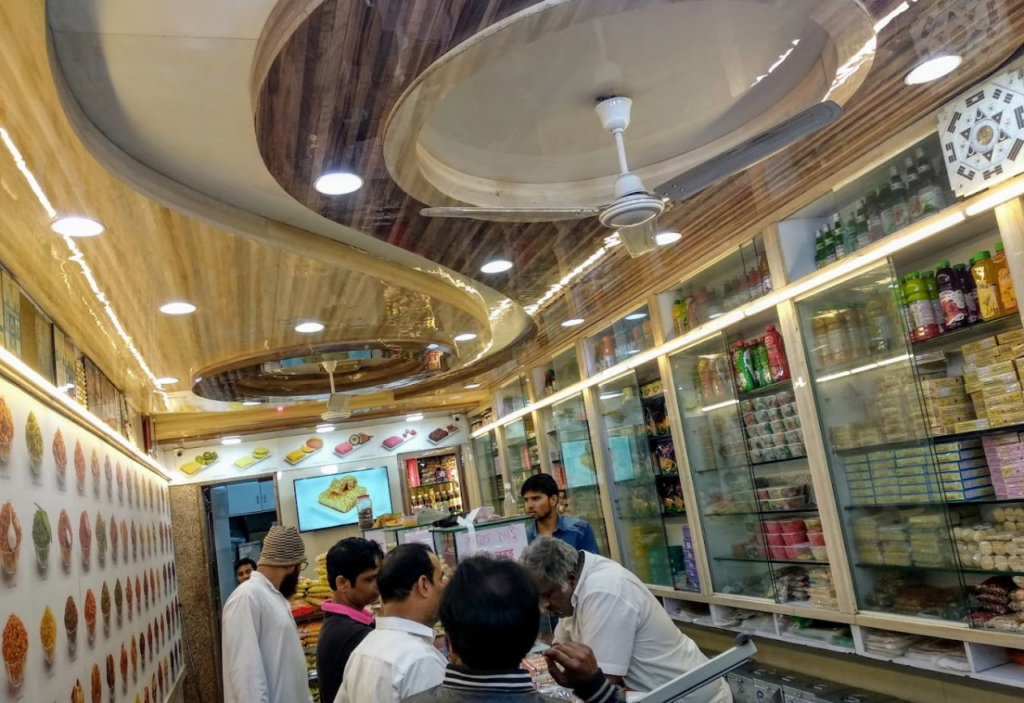
Every year, Lonavala hosts the Chikki Festival, a celebration of the city’s most beloved sweet. Indulge in a variety of chikkis, witness cultural performances, and immerse yourself in the vibrant atmosphere of this delightful festival.
Because Lonavala is the undisputed birthplace of modern chikki (a peanut and jaggery brittle first invented in the 19th century to feed railway workers), you can participate in this “festival” of sweets by exploring the local markets.
The ‘Unnamed’ Waterfall near Tungi Village
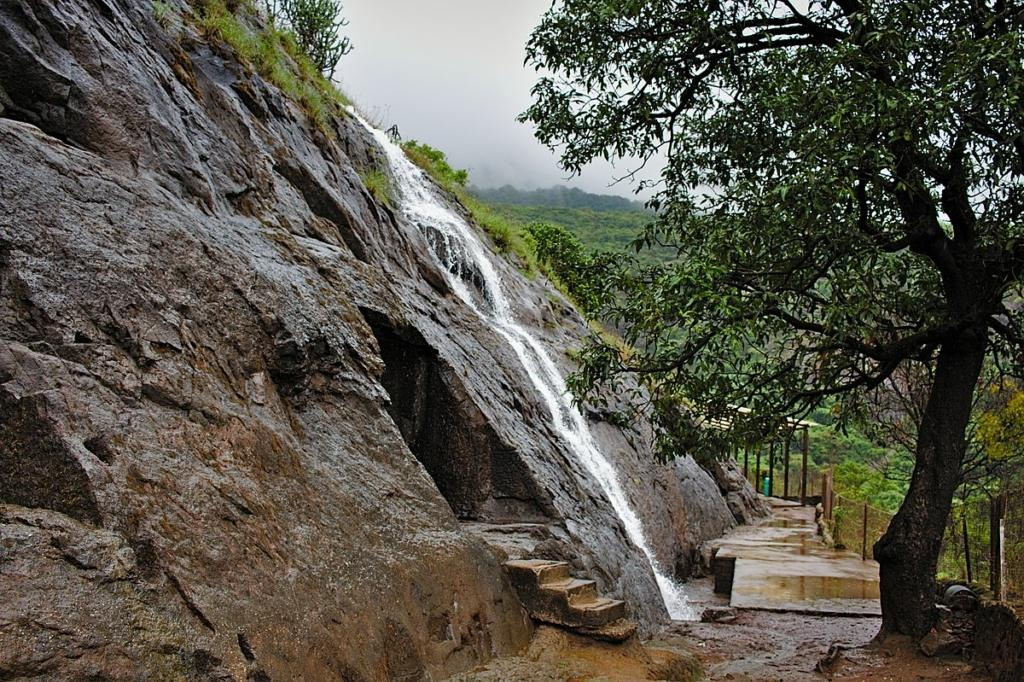
Most people drive past Tungi on their way to Pawna. Big mistake. Tungi hides one of the wildest and unpredictable waterfalls in Lonavala. Locals just call it ‘tekdi cha jharna’, the hill’s fall. It doesn’t have a name on Google Maps.
You’ll have to park your vehicle near the local primary school and walk a muddy path that seems like it goes nowhere. Then suddenly, you hear it, a roar that gets louder with every step. The fall comes alive in monsoon, usually from mid-July to late September. Be warned, though, it’s slippery and there are no railings. But that’s what makes it brilliant.
You’ll most likely find just a few college kids or some old uncle washing his feet. Bring chai in a flask and you’re set. This is one of the most secluded waterfalls in Lonavala and remains among the most rewarding discoveries for travellers seeking offbeat experiences.
Bhimashankar Trails
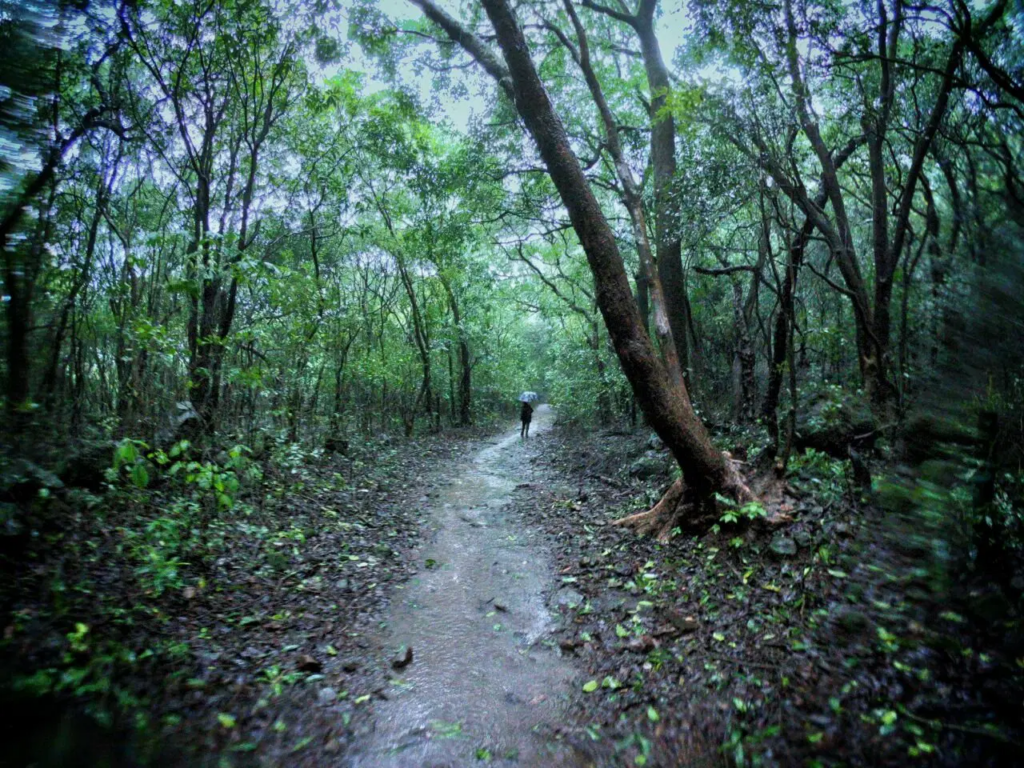
The Bhimashankar trek is a nature lover’s delight. It takes you into the heart of the Bhimashankar Wildlife Sanctuary through thick forests. The Bhimashankar trek gives you a full dose of adventure with stream crossings, ladders, and rock climbing all bundled into one trek
While monsoon is the best time to do this trek, it can also be done in other seasons. The route is scenic and thrilling. Those accustomed to trekking can hike the Bhimashankar via the Shidi Ghat route. While for beginners, we recommend the Ganesh Ghat route, which offers splendid views and is easier.
Amrutanjan Point
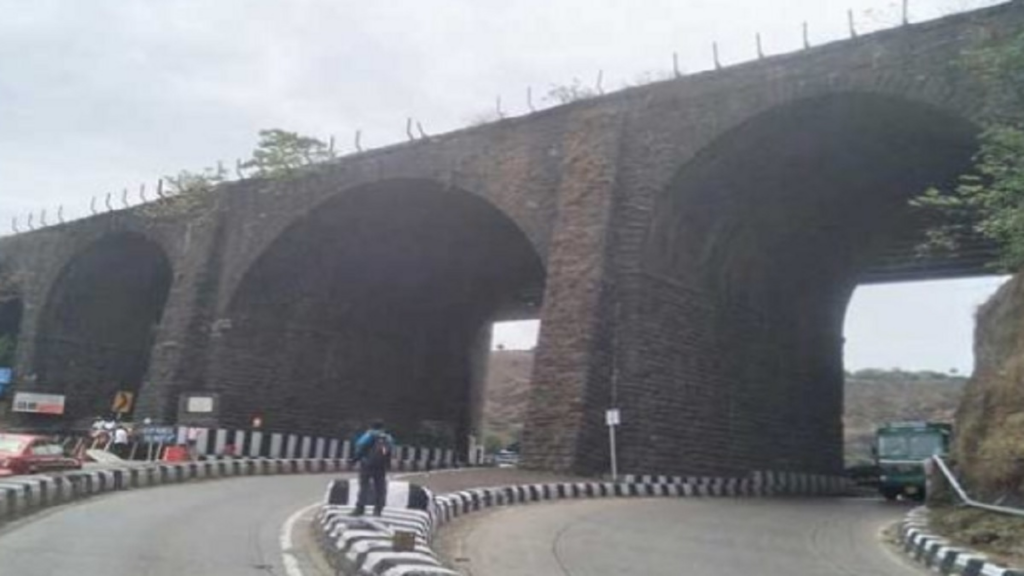
Located at the start of Khandala Ghats, Amrutanjan Point is a scenic destination in the hill station of Lonavala. The road leading to Amrutanjan Point is well-maintained, offering a smooth and scenic drive through the hills. Amrutanjan Point overlooks the beautiful town of Khopoli.
You can also view the famous Duke’s Nose from this point. From this vantage point, visitors can enjoy sweeping views of the Sahyadri mountain ranges, verdant valleys, and dense forests that stretch as far as the eye can see. The view mesmerises during the monsoon season when the landscape is enveloped in mist and lush greenery.
The tranquil ambience of Amrutanjan Point makes it an ideal spot for relaxation and picnics. To make the most of your trip to this charming hill station, you can explore other nearby attractions in Lonavala, such as Bhushi Dam, Lonavala Lake, Rajmachi Fort, and Karla Caves. Trekking through the rugged terrain allows visitors to explore the beauty of the Western Ghats up close and experience the thrill of adventure.
CONCLUSION:
From ancient caves and scenic forts to hidden trails and breathtaking waterfalls in Lonavala, these destinations reveal a side of the hill station that many visitors never experience. Whether you’re searching for hidden gems in Lonavala, exploring offbeat places in Lonavala, or simply looking for unique things to do in Lonavala, these local secrets offer unforgettable experiences beyond the usual tourist hotspots.
To make the most of your journey, choose a comfortable stay at The Lagoona Resort and enjoy convenient access to many of Lonavala’s top attractions and hidden treasures.
Facilities
- Thrilling Adventurous Activities
- The Patio
- Tipsy Horse
- Boating
- Kids Play Area
- Trekking
- Fishing
- Indoor Games
- Swimming Pool with Kids Pool
- Man-made Lagoon
Events
Special Packages
- Diwali package 2026
- All-Inclusive Family Package
- Romantic Lonavala Getaway for Couples
- Lonavala Resort Offers: Stay 3 Nights, Pay for 2 at The Lagoona Resort
- Sunday Adventure Picnic: A Day Full of Thrill & Chill
Rooms
Blogs
- Untold Story Of Lonavala Nature Resort: Attractive Hidden Trails & Mesmerizing Secret Waterfalls Of Lonavala
- Special vacation packages at The Lagoona Resort: Tailored Experiences for Every Occasion
- From Adventure to Relaxation: Unforgettable Activities at The Lagoona Resort
- Thai Food Festival at Cinnamon Restaurant
- Romantic Winters in Lonavala
- Adventures in Lonavala: 15 Best Activities You Must Try (2026 Guide)
- The Perfect Weekend Getaway near Mumbai & Pune
- Experience the Magic of Love this Valentine’s Day with The Lagoona Resort’s Romantic Winter Package