Is Lonavala Worth Visiting in August? Where to Stay in Lonavala During August
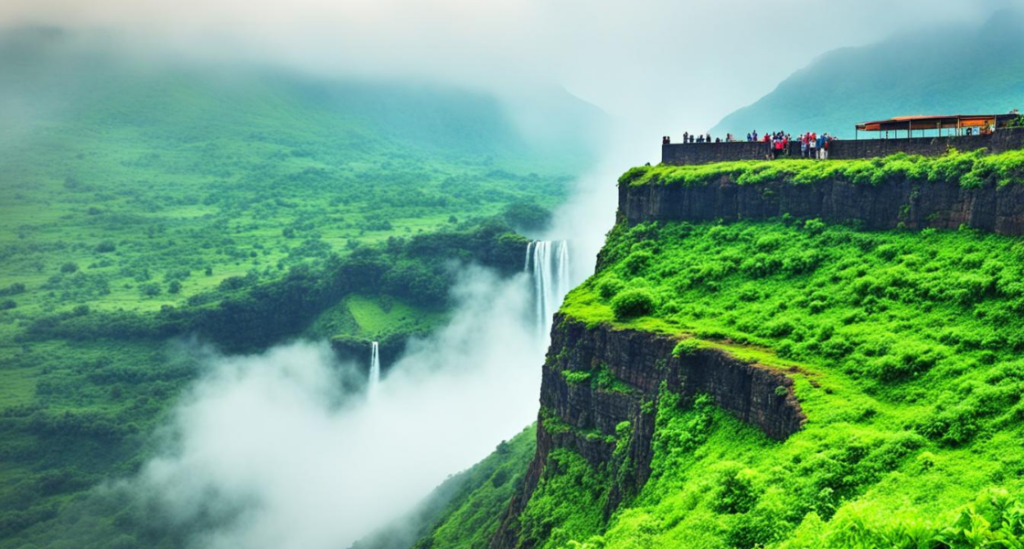
Mumbai and Pune residents ask this question every year around late July: is Lonavala worth the drive once the monsoon is in full swing? The honest answer is yes, but not for the same reasons it’s worth visiting in December. August Lonavala is a different hill station altogether — waterfalls that don’t exist in winter come alive, the entire Sahyadri range turns a shade of green that photographs can’t quite capture, and the temperature drops enough to make outdoor time genuinely pleasant.
But it also means fog on the expressway, occasional landslide-related road closures, and trekking trails that are far more slippery than they look. If you plan to stay in Lonavala around the weather instead of ignoring it, August is arguably the best month to experience Lonavala, not the worst.
What August Actually Looks Like in Lonavala
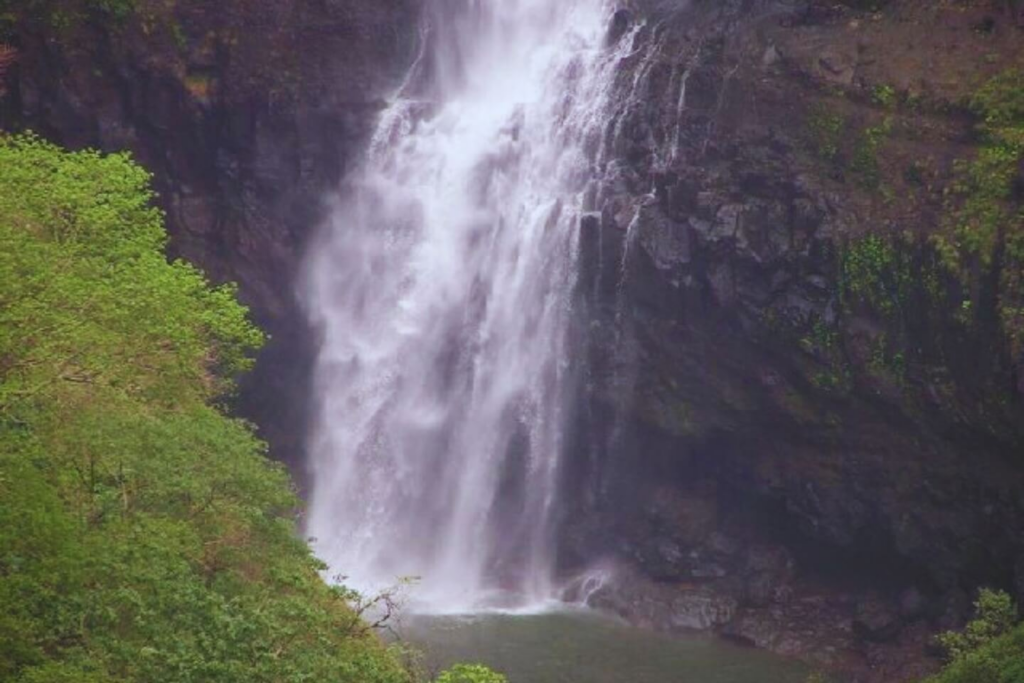
Rainfall in Lonavala during August is heavy and frequent, often arriving in short, intense bursts rather than constant drizzle. Between showers, the skies clear enough for genuinely good visibility across the valley, and the famous viewpoints — Tiger’s Leap, Lion’s Point, Rajmachi Point — go from brown and dusty in summer to lush green with mist rolling through the valleys below. Waterfalls like Bhushi Dam, Kune Falls, and Bhaja Falls are at or near their peak flow in August, which is exactly when most visitors want to see them and exactly when local authorities are most cautious about crowd control near the water.
Temperatures typically sit in the low-to-mid twenties Celsius during the day, which after Mumbai’s humidity feels like a genuine break. Nights can get cool enough that a light jacket is worth packing. The one thing every visitor underestimates is how quickly conditions change — a clear morning can turn into a downpour by early afternoon, and road visibility on the Mumbai-Pune Expressway drops fast in heavy rain.
Is It Safe? The Part Most Articles Skip
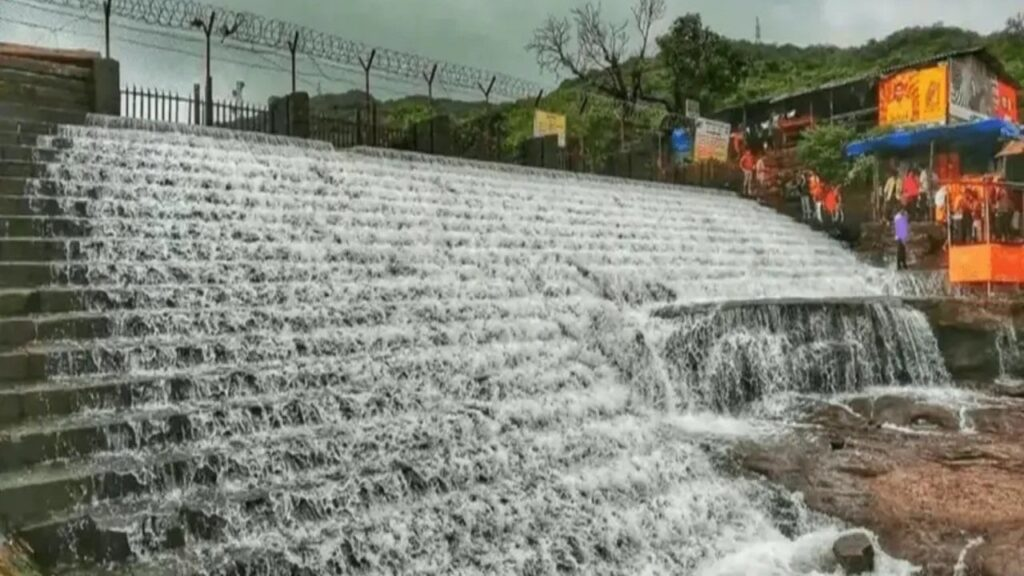
Local authorities do periodically restrict access to certain waterfalls and viewpoints during peak monsoon, particularly after heavy rainfall, because of drowning incidents and slippery rock surfaces near Bhushi Dam and Kune Falls. Trekking routes around Rajmachi and Lohagad can become genuinely hazardous, with loose scree and reduced grip. None of this means avoid Lonavala in August — it means build flexibility into your plans, check local advisories before heading to any waterfall, and treat trekking as a fair-weather-window activity rather than something you schedule rigidly. Most visitors who plan two or three days rather than a rushed one-day trip find they can work around a rained-out afternoon without losing the trip.
Where to Stay in Lonavala During Monsoon — Why It Matters More Than Usual
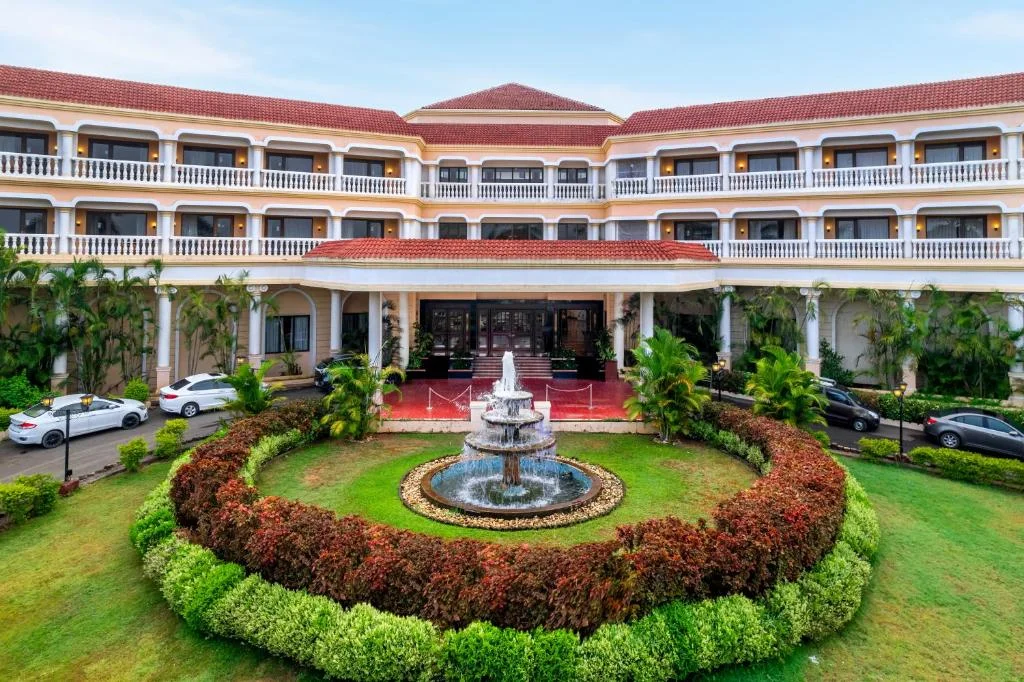
Where to stay in lonavala changes in importance once monsoon starts, because a poorly chosen property can turn a rainy afternoon into a genuinely boring one. In winter, you can stay almost anywhere and still spend most of your day outdoors. In August, the property itself becomes part of the itinerary — you’ll likely spend more waking hours on-site than you would in any other season, so amenities that keep you engaged indoors matter as much as the view.
When people ask where to stay in Lonavala during monsoon, properties such as Lagoona Resort stand out for offering a comfortable stay with dining, recreation and indoor options that make rainy afternoons easier to enjoy. Properties that were built primarily around outdoor lawns and open-air dining tend to underperform for guest satisfaction in August compared to properties with strong indoor infrastructure.
Lonavala Resorts vs. Standalone Hotels: Which Fits Monsoon Travel Better
Lonavala resorts generally have an edge over standalone hotels during monsoon season, and Lagoona Resort is a good example of how a stay in Lonavala with on-site dining, recreation and leisure facilities can make a rainy-day stay more enjoyable. A resort with multiple dining options, a spa, indoor recreation, and landscaped grounds designed with covered walkways gives guests somewhere to be when it’s raining outside. Lonavala resorts built around a valley-facing hillside location also tend to offer the best monsoon views, since elevation puts you above the cloud line on many mornings — something a city-adjacent hotel simply can’t replicate.
That said, lonavala resorts aren’t automatically the right choice for every traveller. A couple on a one-night trip who mainly wants a good view and a quiet dinner may be better served by a smaller boutique property closer to the main viewpoints, saving the drive time that a large resort on the outskirts can add. Families or groups planning a longer, multi-day monsoon stay generally get more value out of full-scale lonavala resorts, since the additional activities and dining variety matter more when you’re on-site for two or three full days rather than one overnight.
What to Look for in Lonavala Hotels Before Booking
For travellers looking for a resort that works well during the monsoon, Lagoona Resort offers a combination of comfortable accommodation, dining and recreational facilities, making it easier to enjoy the stay even when outdoor plans are affected by rain.
Not all lonavala hotels are built with monsoon guests in mind, and the gap shows up fast once you arrive. Before booking any property on your shortlist, it’s worth checking a few specifics that generic star ratings don’t capture: whether rooms are valley-facing or garden-facing (valley-facing rooms are worth the premium in August), whether common areas and restaurants have covered outdoor seating rather than fully open-air setups, and whether the property has backup power — monsoon-related outages aren’t rare in the hills.
It’s also worth checking recent guest reviews specifically from July and August visits rather than relying on overall ratings, since a property that scores well in the dry season can perform very differently once the rain sets in. Lonavala hotels with strong drainage and grounds maintenance tend to hold up noticeably better than ones where waterlogging becomes a visible problem after a day or two of heavy rain.
Best Hotels in Lonavala for a Monsoon Trip: What Separates the Top Tier
Across the range of properties, the best hotels in lonavala for August travel tend to share a few characteristics regardless of price point. They have indoor recreation options that don’t feel like an afterthought — a proper games room or indoor pool, not just a television lounge. They have restaurants with large windows or covered patios that let you watch the rain without sitting in it. And they invest visibly in landscaping and drainage, which sounds minor until you’re the guest walking through ankle-deep water to reach your room.
At the luxury end, the best hotels in lonavala typically offer valley-view suites, in-room fireplaces or heating for cool monsoon nights, and multi-cuisine dining that reduces the need to leave the property at all during heavy rain. Mid-range properties that make the same short-list usually do it through strong service and smart room placement rather than sheer amenity count — a well-positioned mid-range room with a genuine valley view often beats a higher-priced room facing a parking lot. Budget travellers can still do well in August by prioritising properties close to the main viewpoints, since shorter drives matter more when road conditions are unpredictable.
It’s worth being sceptical of any list of the best hotels in lonavala that reads identically to a list you’d see for a December trip, since a genuinely useful monsoon short-list should weight indoor infrastructure and drainage far more heavily than a winter one would. A property that ranks near the top for a dry-season visit can drop several places once rooms lose their valley view to cloud cover for most of the day, or once its open-air dining area becomes unusable. The best hotels in lonavala for August specifically are the ones that were designed, or renovated, with the monsoon season in mind rather than treating it as an inconvenience to work around.
Getting to Lonavala from Mumbai and Pune in the Monsoon
The Mumbai-Pune Expressway is the most common route in, and in August it demands more caution than in any other month. Fog banks near the ghat section can cut visibility sharply within a few minutes, and short, heavy downpours occasionally cause temporary slowdowns or localised waterlogging near the toll points. Leaving Mumbai or Pune early in the morning, rather than in the evening after work, generally means lighter traffic and better visibility for the drive itself. The Karjat and Khandala rail routes remain a reliable backup when road conditions turn unpredictable, and several visitors specifically choose the train in August for that reason alone.
However you arrive, it’s worth building an hour of slack into your travel plan rather than timing it tightly against a check-in deadline. Properties are generally accommodating about monsoon-related delays, but a rushed final stretch of driving in heavy rain is the one part of an August Lonavala trip most visitors say they’d change in hindsight.
Lonavala Hotels for Different Kinds of Travellers
The right pick among Lonavala hotels depends heavily on who’s travelling. Couples on a short weekend break tend to prioritise a quiet, valley-facing room and a good in-house restaurant over a long list of amenities they won’t have time to use. Families travelling with children get more value from properties with indoor play areas and flexible dining hours, since monsoon afternoons often mean more time confined to the property than a dry-season trip would involve. Groups of friends or a corporate offsite crowd tend to do best at larger resorts with function spaces and a wider spread of activities, simply because there’s more downtime to fill across a bigger group.
Solo travellers and photographers, meanwhile, often prefer smaller boutique stays closer to the viewpoints, prioritising quick access to Tiger’s Leap or Rajmachi Point over resort-scale amenities. None of these are wrong choices — they just reflect that a single “best” property doesn’t exist independent of who’s asking and what they actually plan to do with their two or three days in the hills.
Booking Tips Specific to August
August sits in an odd spot for Lonavala bookings — it’s not peak season pricing like the October-to-February window, but demand still spikes hard around weekends and monsoon-specific promotional packages that many properties run. Booking at least two to three weeks ahead for weekend stays is worth it, both for better room selection and for monsoon-package rates that sell out early. Always check the cancellation policy specifically for weather-related changes; several properties in the region now offer flexible monsoon cancellation terms because of how common last-minute weather disruptions are.
If flexibility matters to you, book directly with the property rather than through a listing you can’t easily modify, or confirm the third-party platform’s monsoon-specific cancellation terms before paying. Travel agents and OTAs remain a genuinely useful option here too — they often have visibility into which properties are currently accessible given road conditions, which isn’t always obvious from a listing page alone.
Making the Most of an August Stay
The best August itineraries in Lonavala build in slack rather than fighting the weather, which makes choosing a resort like Lagoona Resort, where guests can also enjoy time on the property, particularly useful during unpredictable monsoon days. Plan outdoor time — waterfall visits, viewpoint drives, short treks — for morning windows when rain is typically lighter, and keep afternoons flexible for whichever indoor activity your property offers.
Photography is genuinely better in August than in most other months, since the combination of mist, green cover, and dramatic cloud movement produces results that dry-season visits simply can’t match. Food is another underrated part of the season — most properties lean into monsoon-specific menus, and a hot meal with a valley view during a downpour is one of the more memorable parts of visiting the region this time of year.
The Bottom Line
Lonavala in August rewards visitors who plan around the rain rather than around it being absent. Waterfalls are at their best, the landscape looks nothing like it does the rest of the year, and temperatures make outdoor time genuinely comfortable between showers. The trade-off is unpredictability — road delays, occasional access restrictions near waterfalls, and a higher premium on choosing a property that works well indoors. Get the choice of where to stay in lonavala right, prioritise valley views and strong indoor infrastructure, and August turns from the season most people skip into one of the more distinctive times to visit.
Facilities
- Thrilling Adventurous Activities
- The Patio
- Tipsy Horse
- Boating
- Kids Play Area
- Trekking
- Fishing
- Indoor Games
- Swimming Pool with Kids Pool
- Man-made Lagoon
Events
Special Packages
- Diwali package 2026
- All-Inclusive Family Package
- Romantic Lonavala Getaway for Couples
- Lonavala Resort Offers: Stay 3 Nights, Pay for 2 at The Lagoona Resort
- Sunday Adventure Picnic: A Day Full of Thrill & Chill
Rooms
Blogs
- Untold Story Of Lonavala Nature Resort: Attractive Hidden Trails & Mesmerizing Secret Waterfalls Of Lonavala
- Special vacation packages at The Lagoona Resort: Tailored Experiences for Every Occasion
- From Adventure to Relaxation: Unforgettable Activities at The Lagoona Resort
- Thai Food Festival at Cinnamon Restaurant
- Romantic Winters in Lonavala
- Adventures in Lonavala: 15 Best Activities You Must Try (2026 Guide)
- The Perfect Weekend Getaway near Mumbai & Pune
- Experience the Magic of Love this Valentine’s Day with The Lagoona Resort’s Romantic Winter Package